.svg)



The Infrastructure Effect in Preventive Wellbeing
Public health outcomes are often determined less by individual choices than by the environments those choices occur within. Footpaths increase walking. Seatbelts reduce injury. Clean air laws improve respiratory health without requiring daily decisions.
This phenomenon is sometimes called the infrastructure effect — when health improves because supportive conditions are built into everyday life.
Sauna, when made publicly accessible, fits squarely into this category.
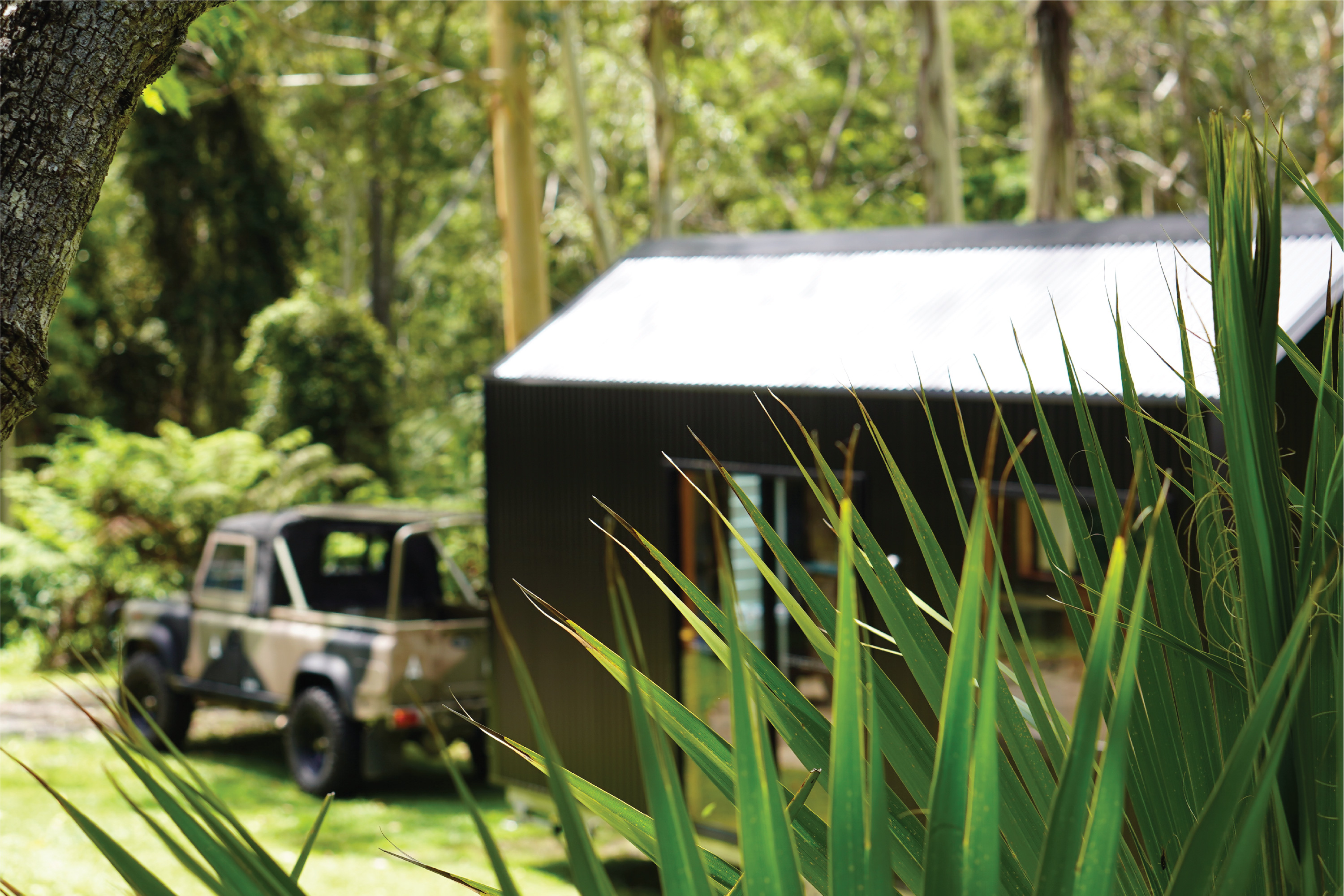
Behaviour change vs environment change
Most health programs focus on behaviour change: encouraging people to exercise more, eat better, manage stress or monitor metrics. These efforts are valuable but fragile. They depend on time, energy and ongoing motivation — all resources that are unevenly distributed.
Environmental interventions work differently. They reduce reliance on willpower by making the healthier option easier, calmer and more ordinary.
Examples include:
- public swimming pools
- shaded urban spaces
- accessible parks and trails
Sauna infrastructure operates in the same domain. Entry requires no training, no equipment and no tracking. The physiological response happens automatically.
For further reading on environmental health design, see:
- Australian Government – Healthy Built Environments
https://www.health.gov.au
Ordinary use, extraordinary reach
What makes sauna particularly effective at scale is that it does not demand intensity. Benefits emerge from regular, moderate exposure. A short session, repeated weekly, can contribute to long-term physiological adaptation.
This matters because public health impact depends on:
- participation breadth, not elite performance
- consistency, not optimisation
- years, not weeks
When sauna is integrated into community spaces — near workplaces, residential areas or transport hubs — it becomes part of the background rhythm of life.
Equity and access
Free access is not just a philosophical choice; it is a practical one. Cost barriers reliably skew participation toward higher-income groups, limiting population-level impact.
By removing fees and memberships, sauna infrastructure becomes:
- age-agnostic
- income-agnostic
- culture-agnostic
This aligns with equity goals outlined by Australian health and planning bodies, including:
- National Preventive Health Strategy
https://www.health.gov.au/resources/publications/national-preventive-health-strategy
Measuring what matters
Unlike many wellness initiatives, infrastructure-based interventions can be evaluated through simple, non-intrusive metrics:
- utilisation rates
- frequency of return visits
- seasonal patterns
- safety and uptime
These indicators help councils and health bodies understand how spaces are used, without tracking individual health data or outcomes.
This kind of evidence is particularly valuable for long-term planning and resource allocation.
A calmer model of prevention
Sauna infrastructure represents a slower, steadier model of prevention. It does not promise transformation. It supports resilience. It does not demand attention. It rewards routine.
In a health system under increasing strain from chronic disease and ageing populations, these qualities are not trivial. They are strategic.