.svg)



Rethinking Prevention in an Older Australia
Australia, like many countries, is ageing. With longer life expectancy comes a growing prevalence of chronic conditions, particularly cardiovascular disease and dementia. These conditions rarely appear suddenly; they develop over decades through cumulative strain on shared biological systems.
Public conversations about ageing often focus on late-stage care. Less attention is given to the environments that shape health earlier in life — the decades when prevention is most effective.
The long arc of decline
Heart disease and dementia share common upstream drivers:
- vascular health
- blood pressure regulation
- sleep quality
- stress exposure
- physical inactivity
Interventions that support these systems early and consistently have the greatest potential impact, even if effects are subtle at the individual level.
This perspective is increasingly reflected in national health strategies, including:
- Australian Institute of Health and Welfare – Ageing and Health
https://www.aihw.gov.au
Why passive supports matter
As people age, capacity for intensive lifestyle change often declines. Time, mobility and energy become limiting factors. This makes passive supports — environments that assist health without requiring effort — increasingly important.
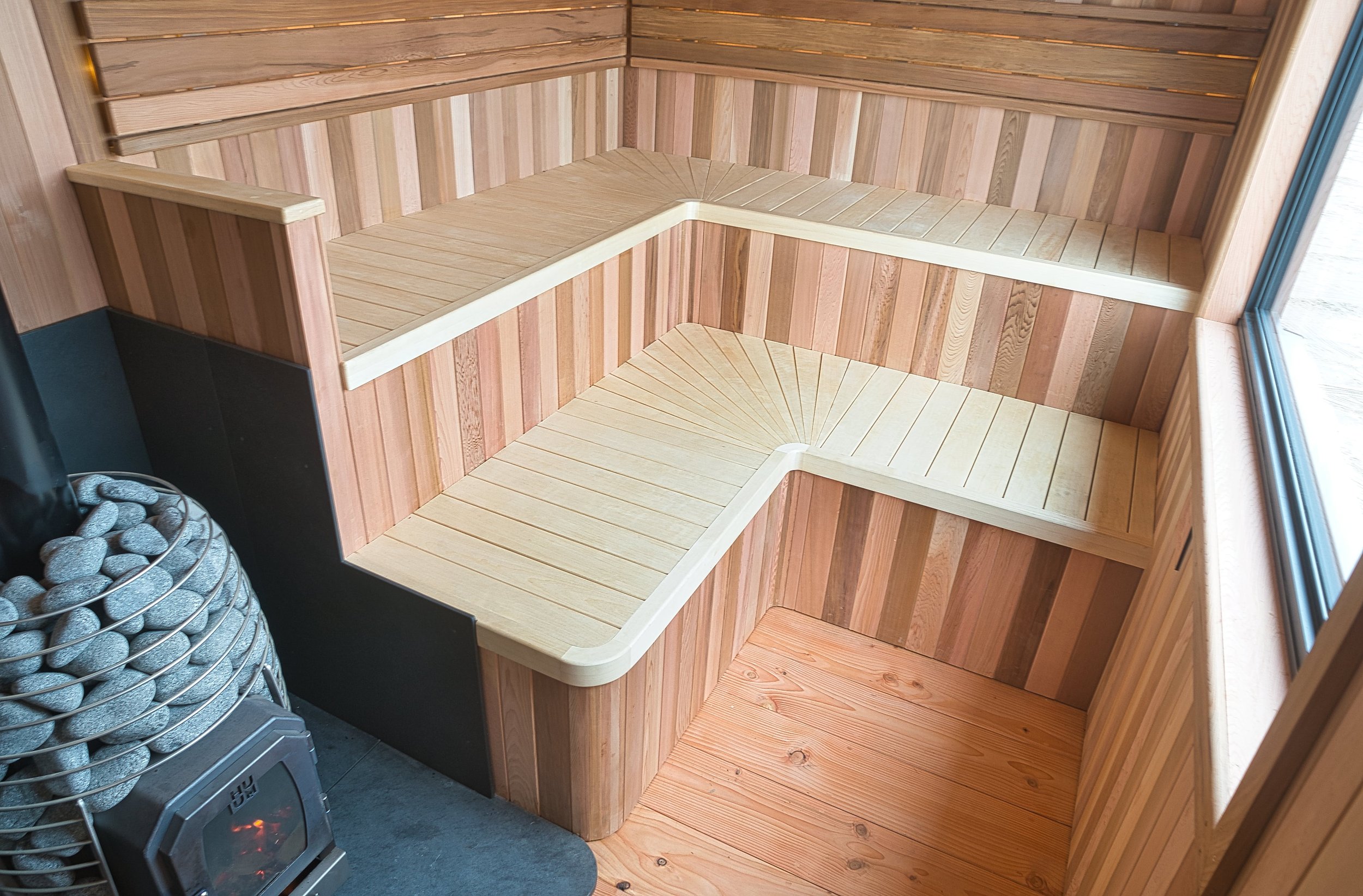
Sauna offers:
- low physical demand
- predictable, gentle stimulus
- social normalisation rather than prescription
For older adults, this can mean maintaining routine without pressure.
Social connection and normalisation
Community sauna spaces also provide something less measurable but equally important: social presence. Even without conversation, shared spaces reduce isolation and normalise self-care without stigma.
Loneliness and social disconnection are now recognised risk factors for both physical and cognitive decline. Public, non-commercial spaces play a vital role in counteracting this trend.
For national context, see:
- Australian Institute of Health and Welfare – Social Isolation
https://www.aihw.gov.au
Planning for decades, not cycles
Health infrastructure should be planned on the timescale of ageing itself. This means assets designed to last, operate quietly and adapt over time.
Temporary programs come and go. Infrastructure accumulates value.
By treating sauna as a long-term public asset rather than a service, SAWNA aligns with a preventative model that recognises health as a community responsibility, shaped by what is made available — and what is not.