.svg)



Heart disease remains Australia’s leading cause of death. Despite decades of progress in acute care, the underlying drivers of cardiovascular events remain stubbornly common: high blood pressure, vascular stiffness, poor sleep, chronic stress and long-term inflammation.
These factors do not appear suddenly. They build across working life and peak in later decades, often culminating in heart attack, stroke or sudden cardiac death.
What the data shows about sauna and the heart
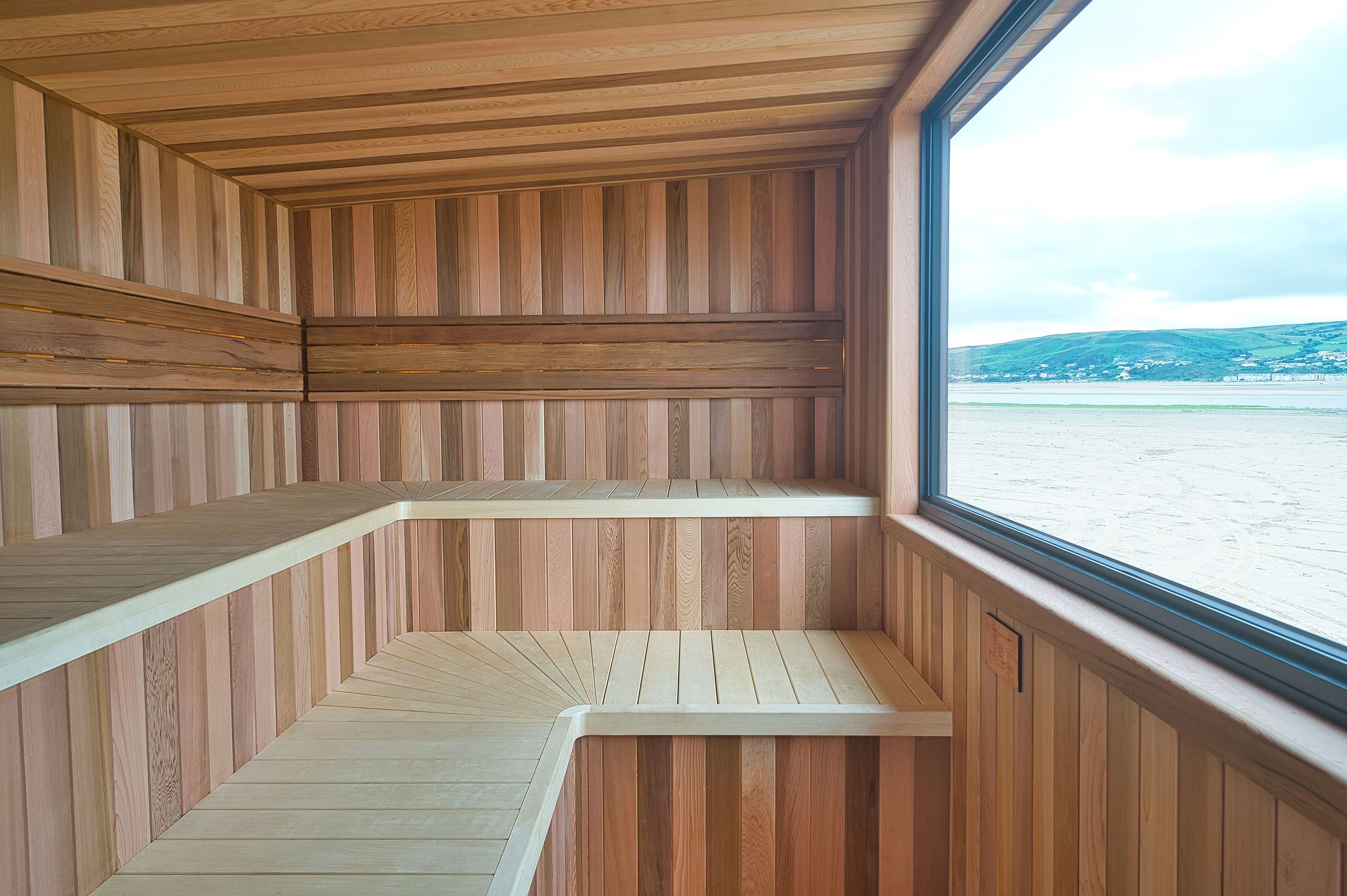
Long-term population studies have repeatedly linked regular sauna use with substantially lower rates of fatal cardiovascular events.
In one of the most cited cohorts, followed over more than two decades, researchers observed:
- 20–25% lower risk of fatal cardiovascular events in people using sauna 2–3 times per week
- 40–50% lower risk in those using sauna 4–7 times per week
- Over 60% lower risk of sudden cardiac death in the most frequent users
These are not small effects. They are among the strongest lifestyle-linked associations observed for heart outcomes — and they scale with frequency.
Why the heart responds so strongly
Heat exposure places a controlled load on the cardiovascular system:
- blood vessels dilate
- heart rate increases
- circulation accelerates
Over time, this trains vascular flexibility and improves endothelial function. After the session, the nervous system shifts into a recovery state, lowering resting heart rate and blood pressure.
Sauna also improves sleep quality and reduces chronic stress load — two factors that quietly but powerfully influence cardiovascular risk.
Unlike intense exercise programs, sauna achieves this without impact, strain or complexity. The response is automatic.
Now apply this at population scale
Imagine a country where sauna is not a special activity, but part of everyday life.
If regular sauna use were normalised across Australia — free, local and routine — the impact on heart disease would be profound.
Under high uptake and sustained use:
- 30–45% fewer fatal cardiovascular events over time is realistic
- That equates to 13,000–20,000 fewer deaths every year
- Over two decades, hundreds of thousands of lives extended or not lost prematurely
Even for those who still experience heart disease, onset would be later, severity lower, and recovery stronger.
Why this matters now
Cardiovascular disease responds faster than neurodegeneration. Improvements in blood pressure, autonomic balance and sleep can occur within weeks or months. At national scale, mortality curves begin shifting within a generation.
This is why infrastructure matters.
Behaviour-change programs struggle to reach everyone. Medications treat individuals. Infrastructure reshapes environments.
When sauna becomes ordinary, heart disease stops being the default ending.
The takeaway
Regular sauna use does not replace exercise, diet or medical care. It complements them by training the cardiovascular system in a way that is repeatable, accessible and sustainable over decades.
Heart disease is not just a medical problem.
It is a systems problem.
And systems respond best to environments that support them every day.